

Weekly Alpha: Your edge in DeFi before everyone else figures it out.
In this edition of The Weekly Alpha:
📚 This Week's Intel
🎧 Podcast Picks
🧑🌾 Building a Resilient DeFi Portfolio
🧐 Onchain Analytics
This Week's Intel 📚
The signal from the noise, this week's developments that actually matter for your DeFi positioning.
I've filtered through the endless stream of headlines, hot takes, and crypto Twitter drama to bring you the stories moving the ecosystem forward. These aren't just news updates; they're intelligence briefings on where capital is flowing, which narratives are gaining traction, and what regulatory shifts could reshape your strategy.
Skip the timeline doom-scrolling. This is your weekly intel drop.
Bitcoin Slips Under $88K as Markets Await Fed Decision - read
Bitwise to launch onchain vaults via Morpho - read
Tokenized Gold Capitalization Tops $4 Billion as Spot Approaches $5,000 - read
Theo Launches Yield-Bearing Tokenized Gold as Price Tops $5,100 - read
Macro fears mask Ethereum’s momentum, SharpLink CEO says - read
Ethereum treasury firm buys jet engines amid tokenization push after selling ETH - read
Ethereum OGs Bring The DAO back in $220 Million Security Initiative - read
Lido’s new stVaults will let L2s create their own rules for Ethereum staking - read
Step Finance treasury wallets breached, $27M in SOL drained as STEP crashes 90% - read
HYPE rallies 60% on staking flows and balance-sheet buying - read
Infinex Token Launches at $300 Million Valuation - read
Ethereum Supply Tightens With 45% of ETH Locked: Sygnum - read
MEGA Premarket Plummets Ahead of Mainnet Launch - read
Podcast Picks 🎧
This week’s audio alpha: handpicked conversations that shaped my thinking and could shift yours too.
I sift through hours of DeFi content so you don't have to. These are the episodes worth your commute, the insights that made me pause and rewind, and the perspectives that are moving markets before they hit mainstream media.
Queue these up and stay ahead of the narrative.
Bits + Bips: Why Gold Still Leads — And How Bitcoin Could Close the Gap - listen
Forward Guidance: The Generational Metal Squeeze Exposing Broken Sovereign Debt - listen
The Chopping Block: Crypto Is Boring… So Everyone’s Levering Silver Now - listen
When Shift Happens: Why Bitcoin Will Hit $6.5 Million (and is better than Gold) - listen
Empire: The Bull Case For DePIN, RWAs on Hyperliquid & The Onchain Endgame - listen
The Chopping Block: Monad Madness: Hype, Hate, Tokenomics & the New Crypto Meta - listen
Bell Curve: The Infrastructure Behind Agentic Finance - listen
Building a Resilient DeFi Portfolio (Not Just a Profitable One)
The hardest thing in DeFi, or crypto in general, isn’t making money. It’s staying in the game long enough to actually keep it.
Over the years, I’ve watched countless friends, influencers, and people I know burn out way too early. And it’s almost always the same story: they ape first, think later. Look, I get it, sometimes you gotta send it. But when you’re doing that with your entire portfolio? That’s how you last exactly one cycle.
There’s no get-rich-quick in crypto. It’s more about not getting poor slowly.
For me, aside from a small DCA, I haven’t thrown much fresh cash in over the years. But I’ve still managed to grow my portfolio exponentially. How? Consistency. Sticking with solid protocols that actually rewarded users with meaningful airdrops. Not chasing whatever shitcoin was being shilled in the group chat. Yeah, I’m looking at you, SafeMoon and all those other tokens people were hyping at my old workplace.
The portfolios that survive aren’t the flashiest. They’re the ones built to last.
Bitcoin and Ethereum: The Anchors
These are the pillars of my portfolio. This is how I’ve survived multiple bear markets without burning out. For me, blue chips are the assets I have high conviction could stand the test of time. In my case, that’s Bitcoin and Ethereum.
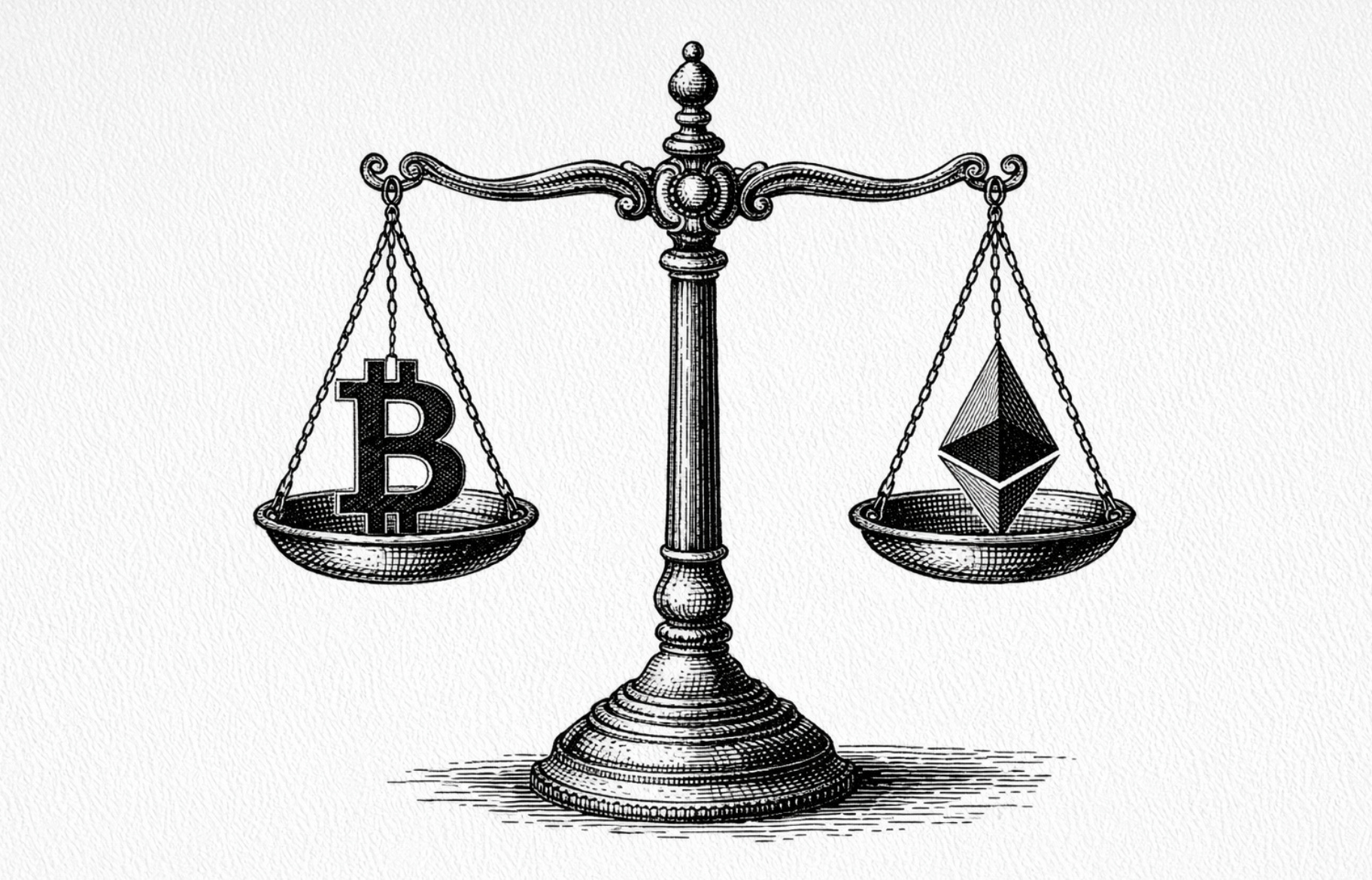
Both networks are decentralized enough that they won’t get shut down by some coordinated regulation, and they’ve got proven track records. I hold Ethereum because it’s a network I actually use, not just to speculate but for real stuff. Social media with Farcaster, hanging out at community events like ETH Denver and EthCC. It’s part of my life, not just my portfolio.
Bitcoin? That’s my savings account. My biggest hedge against the dollar. Those two together make up over 70% of my portfolio. That might be too much for some people, but that’s how I stay sane during bear markets.
Take right now, for example. Bitcoin’s sitting around $78k. The reason I’m not shaken up? Conviction. I’m convinced that over a medium to long term period, it’ll get back to all-time highs. Every cycle is the same: we dump, some people panic sell, some hold. And usually, the ones who panic sell end up regretting it. That’s not a position you want to be in.
Stablecoins: The Working Capital
As a DeFi power user in both bear and bull markets, stablecoins make up a big chunk of my portfolio, roughly 15% depending on where we are in the cycle. More in bear markets when other assets dump, less in bull runs when everything’s pumping.
I usually accumulate stablecoins by taking profits from airdrops or exiting assets I’ve lost conviction in. Here’s the key though: 90% of those stablecoins are not just sitting there. They’re working. From AAVE to Euler to more complex protocols like Pendle, I make sure they’re always generating yield. Sometimes I’m farming governance tokens that I’ll either hold or dump immediately, depending on my conviction.
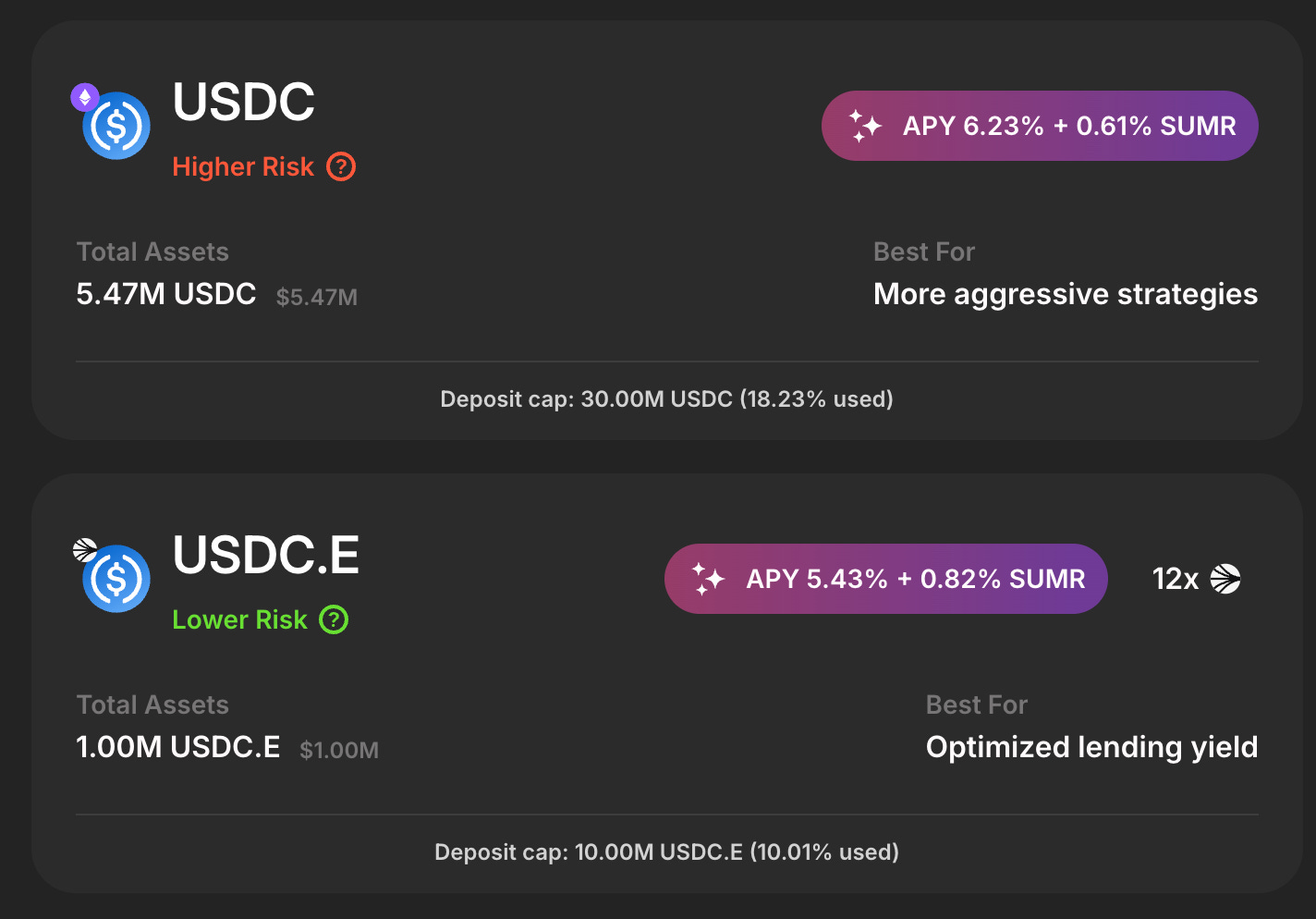
This is a crucial part of my strategy. Outside of depeg risk and smart contract risk, I know I have this cushion if I need quick cash and don’t want to sell other assets at the bottom. Having that stable position matters.
One other option, depending on your jurisdiction, is taking loans against your crypto. But in my case, that’s a taxable event, so I can’t leverage it without getting hit with taxes. Basically the same as selling for me.
DAO Tokens: The Governance Plays
Most of these I’ve accumulated either with stablecoins from what I mentioned earlier or through airdrops. I rarely buy them outright, but I try to stay active in governance. Some examples: a bit of UNI from the airdrop, TIA, ENS, OP, ARB, and others.
I’ll be honest, I’m rekt on most of these positions. But here’s why I keep holding them. First, I didn’t invest direct cash to buy them, so it doesn’t sting as much. Second, I don’t think the airdrop meta is dead. I think it’s coming back in a different form, and it’s going to reward DeFi power users. The ones who actually participate in protocol governance, vote, hold the tokens, and use the apps. All of that is easily traceable onchain.
I think the era of farm and dump is ending. Or at least, it’s becoming way more important to have one or two wallets with solid track records. And like I said, even though I don’t have strong conviction in all these DAO tokens, they weren’t cash investments. I have no problem selling if I need liquidity for something else.
NFTs and Low Caps: The Speculative Edge
Let’s start with NFTs. Honestly, I don’t recommend heavy investment in NFTs right now. I think they’ll come back eventually, but even the blue chips are way too volatile at the moment.
The reason I keep my Pudgy Penguin? I got an excellent entry at a very low price, and now it’s become part of my personal brand. I have no intention of selling short to medium term. It’s opened up amazing opportunities and connected me with great people in the community. I don’t see my Pudgy as an investment anymore, it’s more like a networking tool.
If you’re planning to invest in NFTs right now, NFA, but it might not be a great play. Even for blue chips. And the liquidity sucks.
For low cap crypto, I keep very few of them. I’m not into the moonshot, get-rich-quick mentality. If I hold a low cap, it’s because I have conviction in the project or there’s a solid team with a proven track record behind it. I’m not the guy buying the next cat or dog coin. Those are a tiny part of my portfolio.
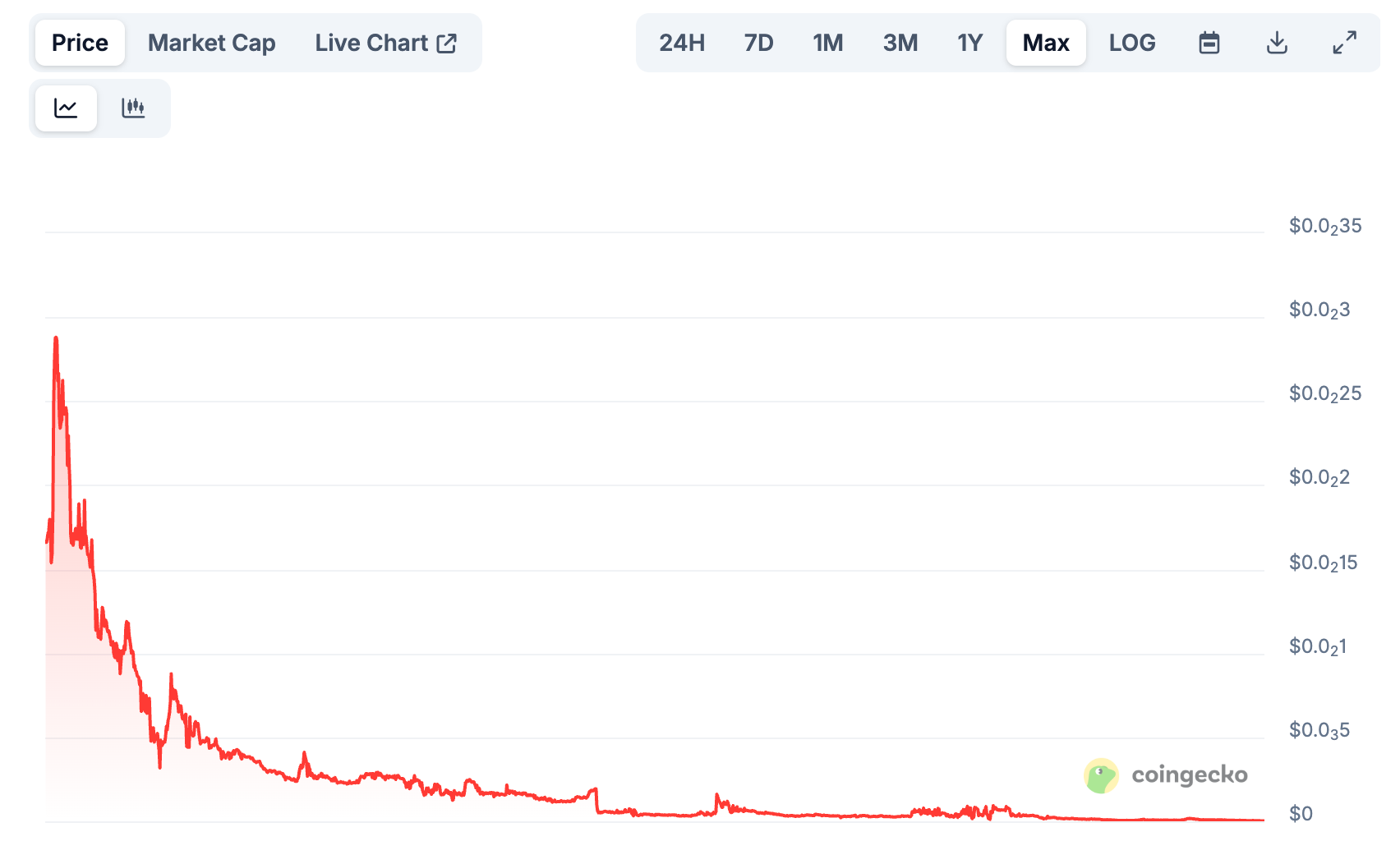
The few times I tried to gamble on shitcoins? Got absolutely rekt. And we all know where those go in a bear market. Zero.
Final Thoughts 🧠
I think I’m ready for whatever bear market is coming. My strategy hasn’t changed since the last cycles, and I can sleep at night. Being heavy in blue chips, holding some stablecoins, and having a bit of mid to low caps keeps me sane. I’m not stressing because I know my blue chips will eventually recover after a few months or years. As long as I don’t need immediate cash, I’m good. And if I do? I can tap into my stablecoins without selling at the bottom and touching my core positions.
The shitcoins I have are basically already at zero, so I don’t even think about them. My Pudgy NFT? Not selling. I’ll keep going to community events, networking, and building my brand around it.
Drop a comment with your strategy for the upcoming bear market. What did you think of this approach? Let’s discuss.
Onchain Analytics 🧐
While Price Drops, Validators Queue Up
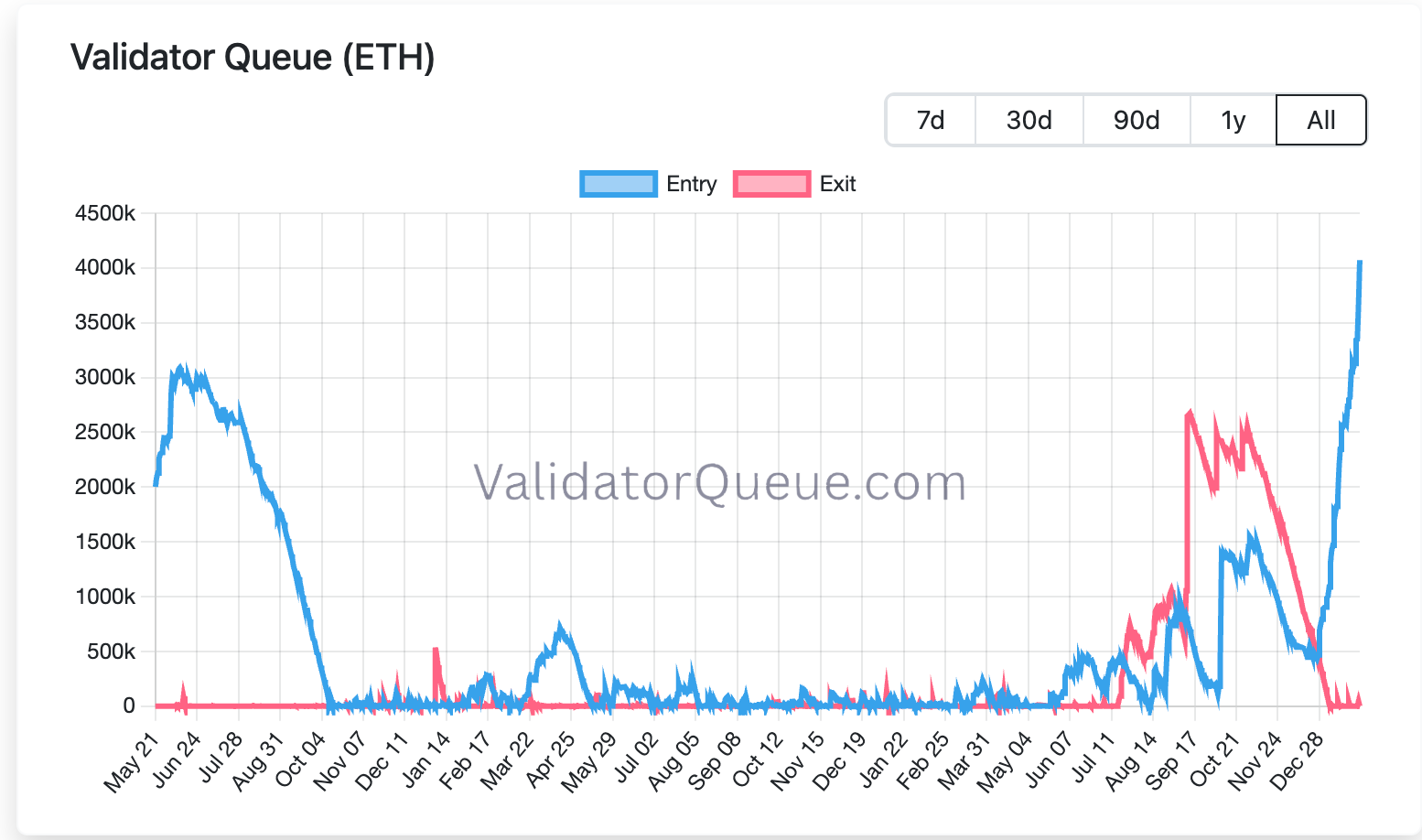
Here's a metric worth watching: while ETH price is struggling, the validator entry queue has ballooned to 70 days, compared to just 3 minutes to exit. This massive imbalance suggests deep conviction among large holders, likely institutions and treasuries moving to stake their ETH positions.
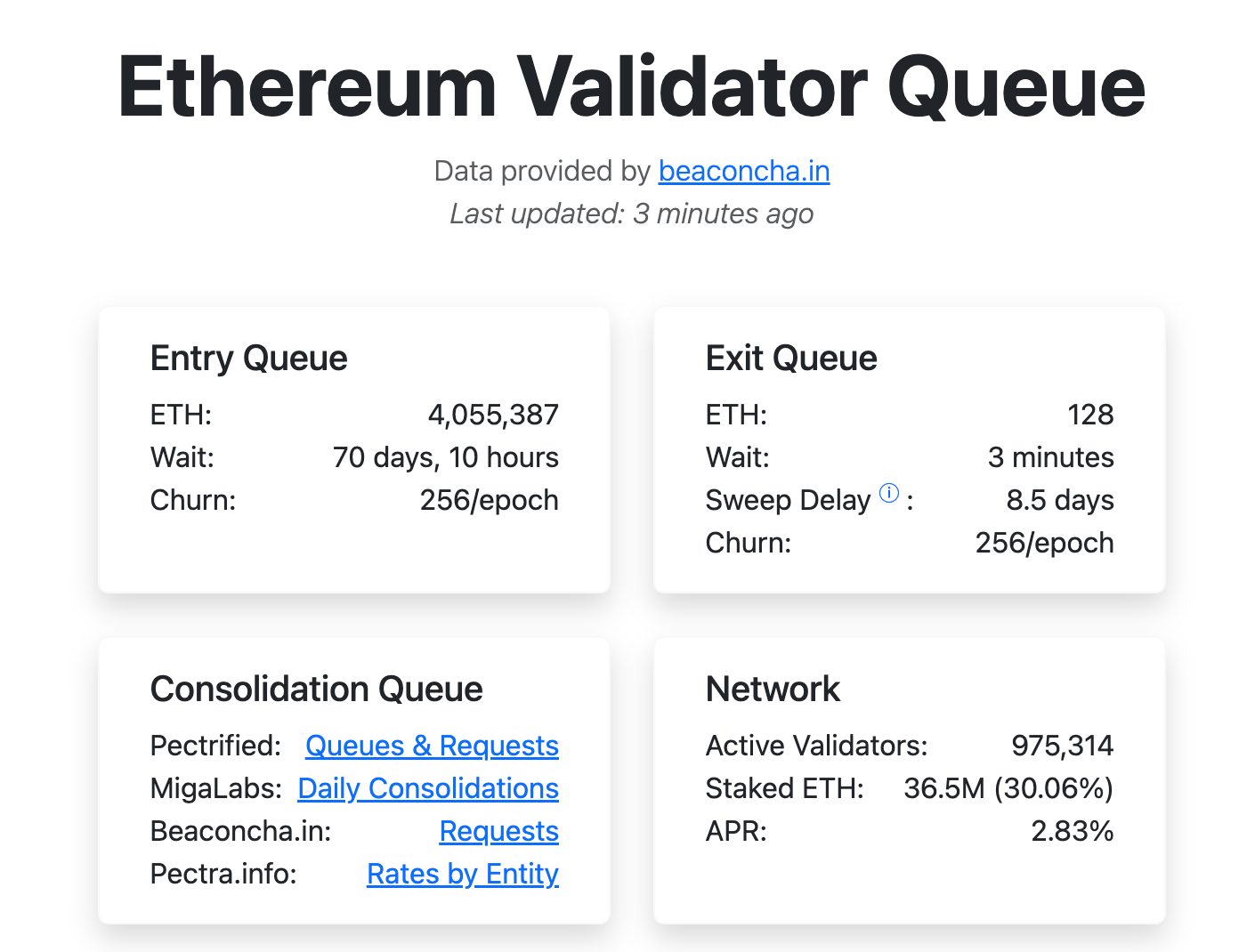
The chart tells the story clearly: entry queue at all-time highs, exit queue at all-time lows. Price and fundamentals are telling two different stories right now.
Lido’s Dominance: A Double-Edged Sword
Lido Finance controls roughly half of all liquid staking assets ($26.8B), more than double its nearest competitor EigenCloud ($12.1B). While this dominance reflects Lido's product-market fit and user trust, it poses a long-term centralization risk for Ethereum. A healthier liquid staking ecosystem would see capital more evenly distributed across Lido, EigenCloud, Ether.fi, and emerging alternatives.

As the sector matures, watch for whether market forces naturally diversify this concentration or if protocol-level solutions become necessary.
That’s it for this week.
If you found this edition valuable, please consider sharing it with your network
None of the information in this newsletter constitutes financial advice. While I personally use most of the protocols that I discuss, it's important to understand that they involve substantial risk. Don’t invest what you can’t afford to lose
Sharp insight. The real winners in DeFi won’t be the loudest protocols - they’ll be the ones solving execution, liquidity, and trust at scale. This is the kind of signal most people notice too late.
Hello